How We Work
Fueling Youth Well-Being
and Stability
Where Teen Health Steps In
From food rescue to essential kits to mental health support, our programs address the whole person — meeting youth where they are and building toward lasting stability.
Nutrition as Foundation
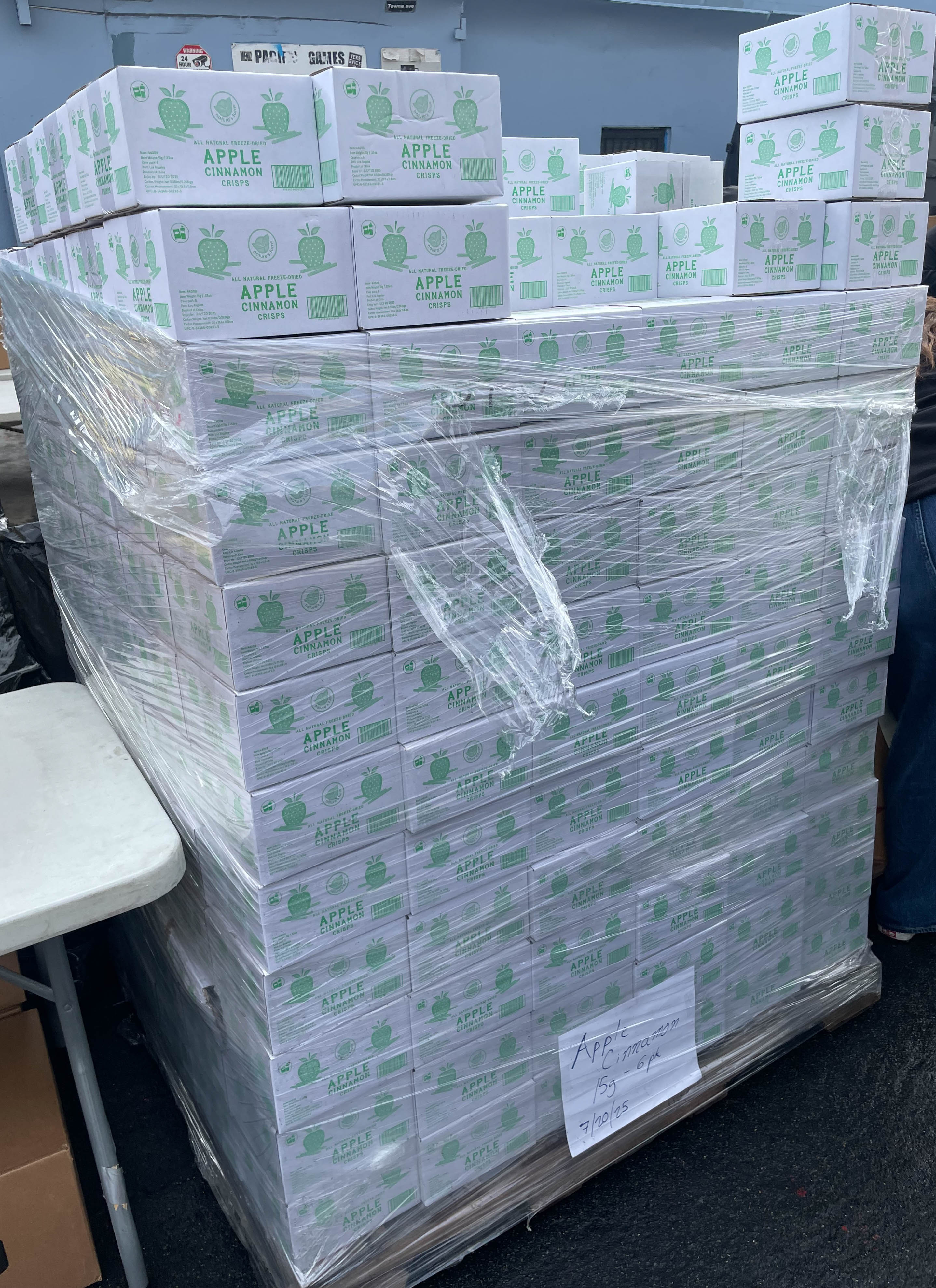
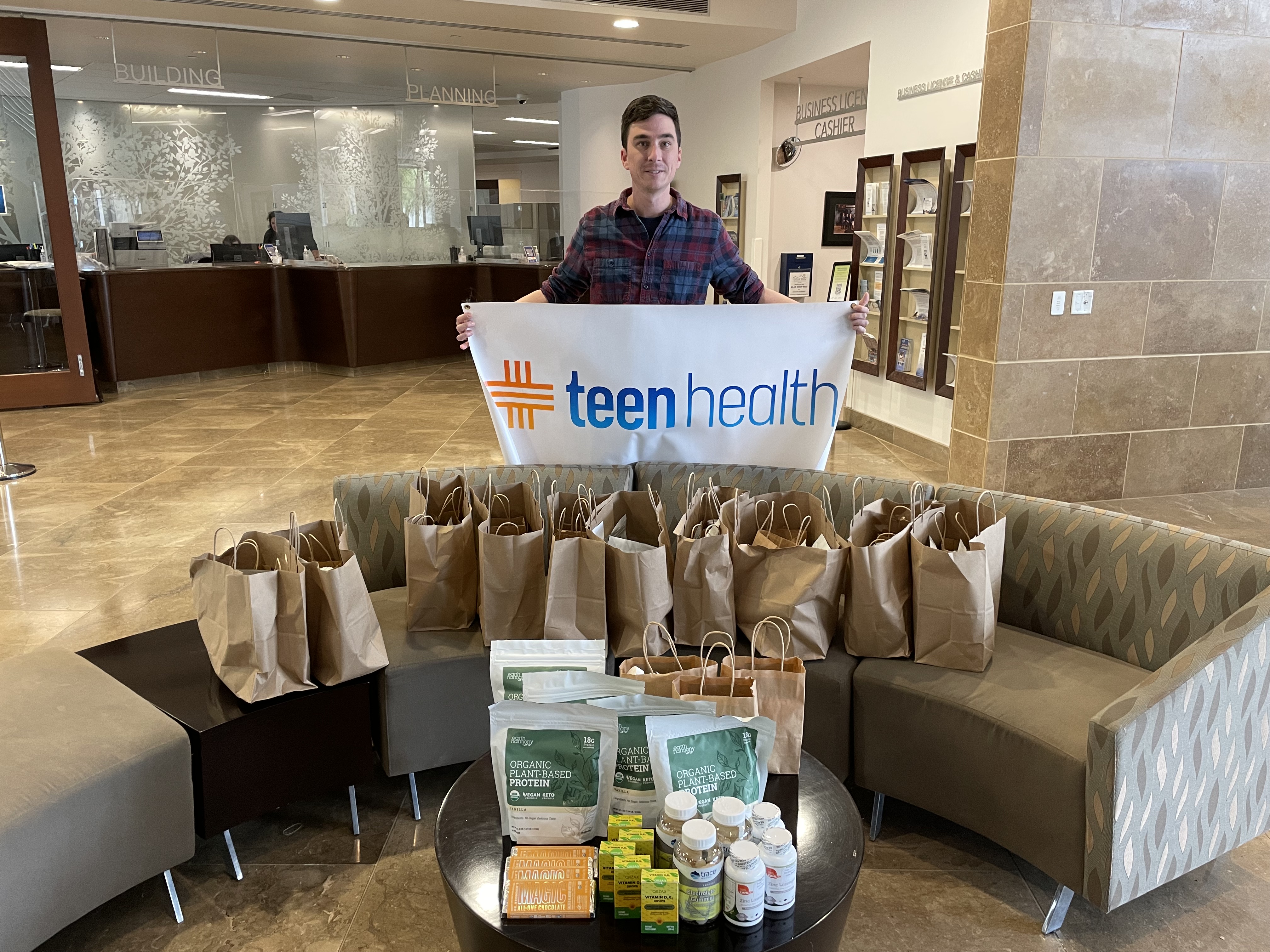
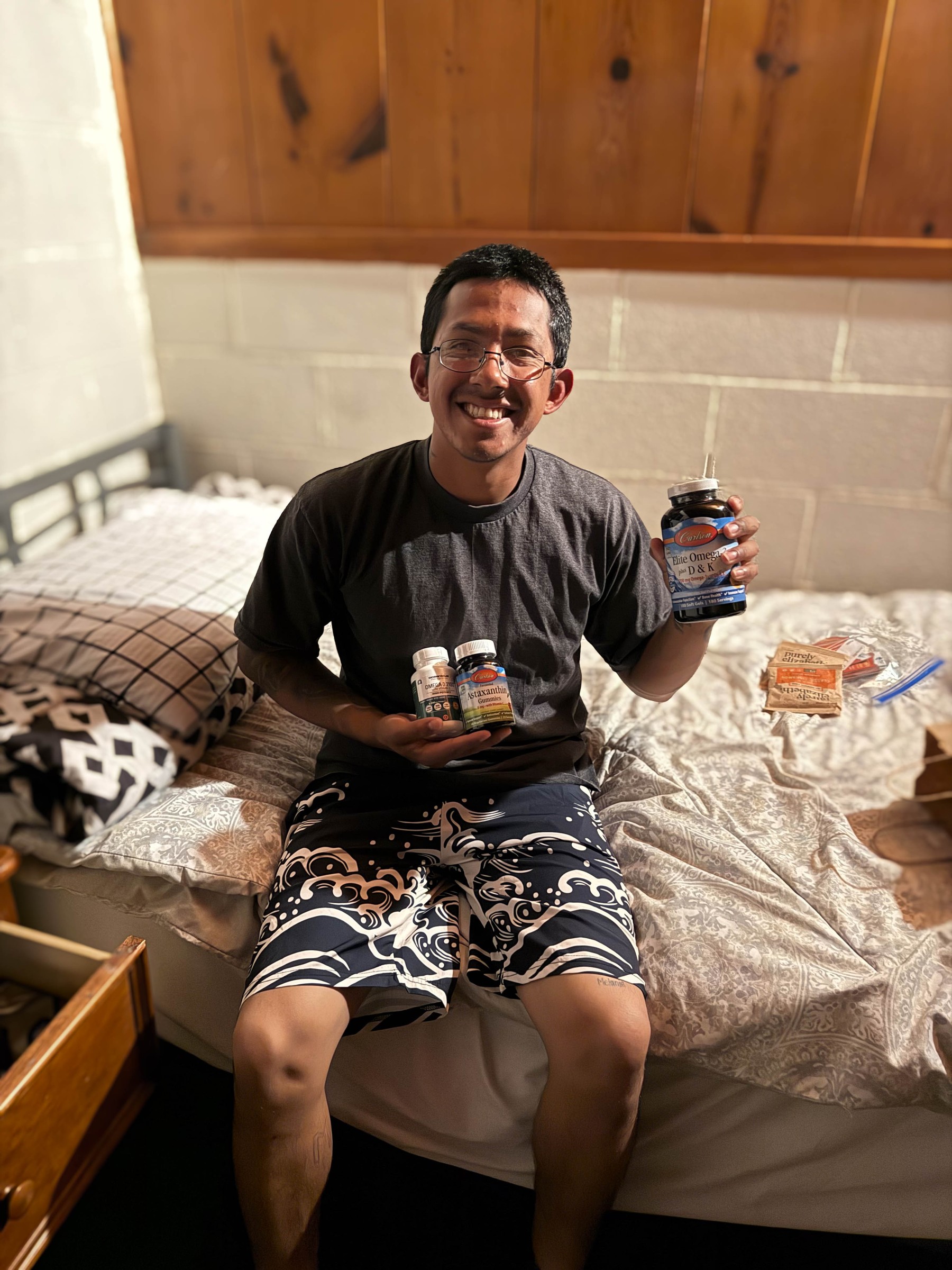
We provide essential vitamins and healthy food that support brain function, emotional regulation, and stress management — helping youth engage in care, make safer decisions, and resist high-risk pathways.
Dignity & Immediate Stability
Basic essentials reduce daily stress and restore dignity during moments of transition. Meeting core needs builds stability when youth are most vulnerable to exploitation, violence, or gang exposure.
Connection Before Crisis
We show up at shelters, transitional housing, and points of system exit to connect youth to care and community. By intervening early, we replace isolation with support—before the street becomes the safety net.
Product Distribution Model
A Smarter, Faster Way to Get Health Essentials to Youth
The Dignity Kit Program
- Who It Serves
- Youth and young adults (ages 13–24) exiting foster care or juvenile detention
- Problem Addressed
- The “aging out” crisis, where youth are often released from systems with nothing but their belongings in a trash bag
- How It Works
- We partner with corporate vendors to kit backpacks filled with healthy food and clothing
- Intended Outcomes
- Immediate reduction in material hardship and an increased sense of self-worth during critical life transitions
Food Security & Monthly Nutrition Projects
- Who It Serves
- High-need households in Orange, San Diego, and Los Angeles Counties; expanding to Fresno and the Bay Area
- Problem Addressed
- Systemic food insecurity and “nutrition gaps” that prevent youth from succeeding in school or work
- How It Works
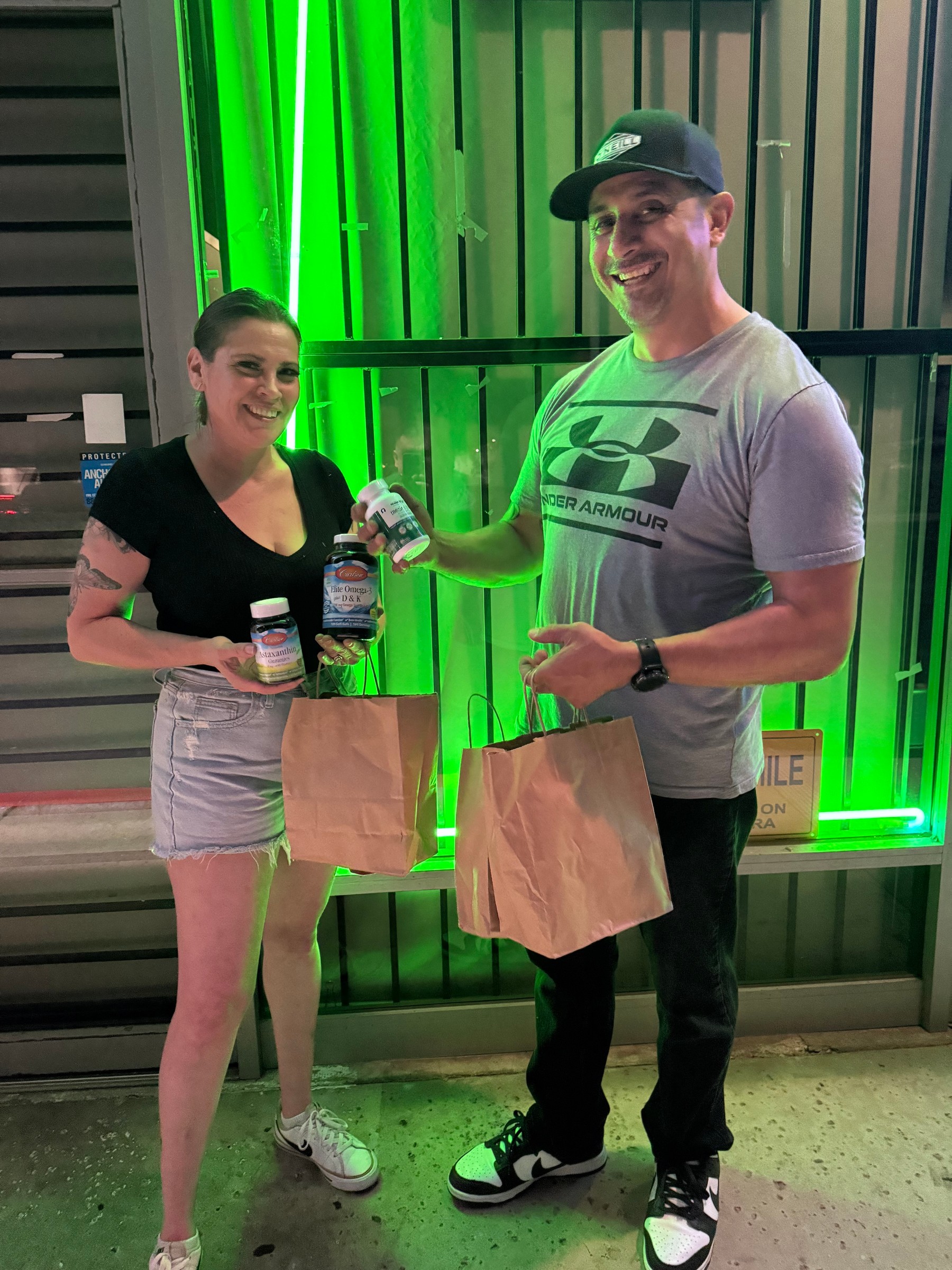
- Ongoing monthly projects deliver bulk healthy food and supplements to community-based distribution hubs
- Intended Outcomes
- Consistent access to nutritious meals and stabilized physical health for 13–24 year-olds
Mental Health & Care Navigation
- Who It Serves
- Transition-age youth (TAY) dealing with anxiety, depression, or post-system trauma
- Problem Addressed
- Fragmented care systems that make mental health support difficult to access for unhoused or foster youth
- How It Works
- We use our distribution touchpoints to provide mental health education and facilitate direct “warm hand-offs” to clinical care partners
- Intended Outcomes
- Increased utilization of mental health services and reduced rates of crisis-level psychological distress